
When the sight alone can’t be enough.
Fresh vegetables are a vital part of a healthy and balanced diet. They provide a wealth of essential vitamins, minerals, and fiber, making them a key ingredient in many dishes around the world. In addition to their nutritional benefits, fresh vegetables are also versatile and can be prepared in a variety of ways, from raw in salads to roasted, sautéed, or grilled.
Some of the health benefits of consuming fresh vegetables include improved digestion, lower risk of chronic diseases such as heart disease and certain cancers, and increased energy levels. They are also low in calories and high in fiber, making them an excellent option for those looking to maintain or lose weight.
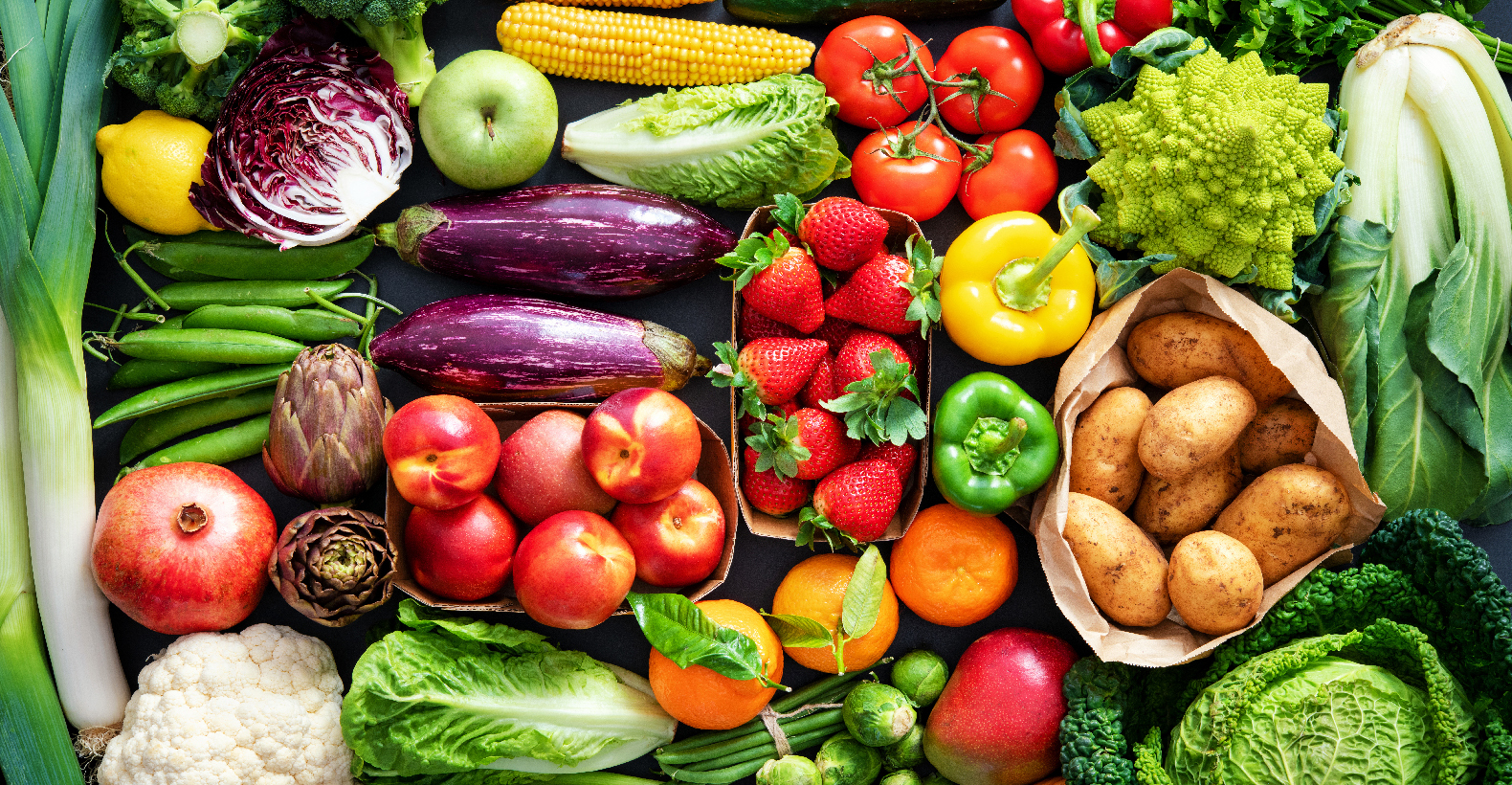
There are many types of fresh vegetables to choose from, including leafy greens like spinach, kale, and collard greens, root vegetables like carrots, beets, and sweet potatoes, and cruciferous vegetables like broccoli, cauliflower, and cabbage. Each type of vegetable offers a unique set of nutrients, so it is recommended to consume a variety of vegetables to ensure a well-rounded diet.
When shopping for fresh vegetables, it is important to look for produce that is in-season, as this will provide the best flavor and nutritional value. In-season vegetables are also typically more affordable than out-of-season produce. It is also important to store fresh vegetables properly to maintain their freshness and prevent spoilage.
In conclusion, fresh vegetables are an important part of a healthy diet. They provide essential vitamins, minerals, and fiber, and can be enjoyed in a variety of dishes. By incorporating a variety of fresh vegetables into your meals, you can ensure that you are getting the nutrients your body needs to thrive.